










PHARMACIST-LED SEVERE ASTHMA CLINIC: IMPROVING ACCESS AND OPTIMISING CARE

European Statement
Clinical Pharmacy Services
Author(s)
E.Ikidde
Why was it done?
Patients with severe asthma often experience poor outcomes, repeated oral corticosteroid use, and delays in accessing biologic treatment. Existing referral pathways created inequity and long waits for review and initiation of biologics. The pharmacist-led service aimed to improve outcomes, optimise medicines use, enhance safety, reduce waste, and shorten delays through streamlined pathways and multidisciplinary collaboration.
What was done?
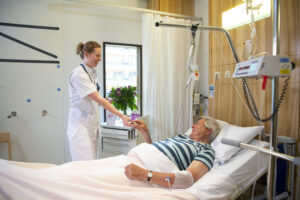
A pharmacist-led severe asthma clinic was established within hospital practice. The pharmacist assessed patients by correcting inhaler technique, reviewing adherence, evaluating eligibility for biologic therapy, providing patient counselling, ensuring medicines were available for clinic use, and coordinating safe transition to homecare services. This demonstrated the unique contribution of hospital pharmacists in severe asthma management.
How was it done?
A retrospective review of patients managed in the pharmacist-led clinic was conducted over 12 months. Each patient received a structured consultation including inhaler technique, adherence, and asthma management plan review. Biologic eligibility was assessed against national guidance by the hospital pharmacist, with applications approved by the multidisciplinary team. The pharmacist streamlined prescribing, ensured timely ordering of high-cost medicines, and conducted safety checks before administration. Initial challenges—patient unfamiliarity with pharmacist-led clinics and limited capacity—were addressed through education, collaboration with Respiratory Consultants, and phased appointment introduction.
What has been achieved?
Eighty-eight patients were reviewed. Inhaler technique was corrected in 67 patients (76%), and 41 patients (47%) were initiated on biologic therapy following multidisciplinary approval. Pharmacist involvement ensured timely supply of high-cost medicines and immediate support for medicine-related queries, improving patient safety and confidence. The service reduced delays to clinic review and biologic initiation, in line with Accelerated Access Collaborative (AAC) guidance to improve equity.
What next?
This initiative highlights the pharmacist’s vital role in severe asthma services, with measurable benefits for medicines optimisation, safety, and equitable access. Other specialties, such as interstitial lung disease (ILD) and chronic obstructive pulmonary disease (COPD), are now requesting pharmacist support. The model is scalable, transferable, and cost-efficient, offering a safe framework for replication in other healthcare systems.
COLLABORATIVE DEPRESCRIBING IN PALLIATIVE CARE: A MULTIDISCIPLINARY APPROACH TO MEDICATION OPTIMISATION
European Statement
Clinical Pharmacy Services
Author(s)
A Wagner, D Weixler, C Waidinger, M Josl
Why was it done?
A pharmacist, integrated in the palliative care team, reviewed preselected patients with advanced disease to identify potentially inappropriate medications (PIMs). When appropriate, a team of physicians deprescribed PIMs in accordance with patient preferences, clinical status and rationale. The initiative aimed to identify PIMs, reduce pill burden and align pharmacotherapy with individual treatment goals.
What was done?
Up to 96% of geriatric oncological palliative care patients experience polypharmacy (>5 medications) (1), with up to 70% receiving at least one PIM referring to Lindsay J et al. (2).
Deprescribing is considered appropriate in certain clinical situations, including for example:
– presence of polypharmacy
– patient’s wish
– shift in treatment strategy or goals
– limited life expectancy
– when potential harm outweighs benefits
How was it done?
– Weekly interdisciplinary meetings
– Eligible patients were identified by the palliative care physicians based on prognosis, symptom burden, medication profile (polypharmacy), and patient wishes
– Pharmacist reviewed medications using medical records, identified potential deprescribing opportunities and provided tailored deprescribing recommendations (what and how to deprescribe)
– Recommendations were collaboratively discussed and documented
– If deprescribing was implemented, follow-up was conducted at the next patient visit and was subsequently monitored during regular consultations
What has been achieved?
During observation period, three patients (all male, median age 80) received a structure deprescribing review. A total of 59 drugs were targeted; 20 PIMs have been identified.
Commonly deprescribed medication groups were gastroprotective drugs (A02B), urological agents (G04B, G04C) antihypertensives (C02A, C09A, C08C, C03C) and vascular or miscellaneous agents (C05B, N06DX, N07A). Typical reason for discontinuation included stable blood pressure, presence of indwelling urinary catheter, patient-driven deprescribing request, therapeutic futility.
Other drug classes such as psychotropics (N06A, N04B), cognitive enhancers (N06D) and bone-metabolism agents (M05B, A12A) were occasionally discontinued when adverse drug effects outweighed potential benefit or did not align with palliative goals (long-term preventive therapy). Main drivers for deprescribing were patient wishes to reduce pill burden, complex symptom management and avoidance of adverse effects.
What next?
The initiative demonstrated feasibility, safety, and transferability of pharmacist-supported deprescribing as part of a multidisciplinary team. Next steps could include the development of interprofessional training sessions and expansion to other clinical settings.
IMPLEMENTATION OF A CLINICAL PHARMACY ACTIVITY IN RADIOPHARMACY: A TRIPARTITE CONSULTATION HOSPITAL APPROACH FOR PLUVICTO® RADIOLIGAND THERAPY IN ELDERLY PATIENTS
European Statement
Clinical Pharmacy Services
Author(s)
J. BERGÉ, S. BRILLOUET, C. LAMESA
Why was it done?
Tripartite consultation (TC) activities are well established in oncology for chemotherapy, and are progressively emerging in radiopharmacy, where there is a clear need to support elderly and polymedicated patients receiving RLT. This therapy is costly and complex, with additional radioprotection requirements, making multidisciplinary coordination essential.
What was done?
A new activity of clinical pharmacy in radiopharmacy is developed as TC for Pluvicto® radioligand therapy (RLT) in our comprehensive cancer center.
This activity was set as TC with the nuclear physician, radiopharmacist, and nuclear medicine technologist. The initiative was done on our institutional software, with dedicated templates creation and harmonized tools.
How was it done?
Three main axes guided implementation: (1) integration into institutional software with customized reporting templates; (2) reorganization and structuring of the patient pathway; (3) harmonization of practices and training, with the involvement of pharmacy residents under senior supervision. Moreover, specific supports were developed to structure patient counseling, including interview templates and patient-oriented documents (radioprotection instructions, explanatory treatment diagrams).
What has been achieved?
The initiative enabled the standardization of reporting, the improvement of patient pathway coordination, and the reinforcement of their educational support. The integration of patient counseling tools strengthened patients’ understanding of a complex therapy, sensitization to radioprotection, and adherence to their care, while improving overall coordination. It also made possible the systematic performance of medication reviews, particularly relevant for an elderly and polymedicated patient population. Since its implementation, 40 patients have already been managed within this framework by residents under systematic senior supervision. Finally, the TC allowed the institutional financial valorization of this activity.
What next?
This activity represents an interesting and transposable example of good practice. Its implementation demonstrates that such an TC structure can be extended to other RLT to improve efficiency and harmonization of both professional practices and patient management. In parallel, we are currently driving a French multicenter study (Pharma-RIV) assessing the impact of pharmaceutical consultations in the management of patients receiving RLT. A broader preliminary effort is in progress to structure the RLT care pathway at the national level, in collaboration with the French Society of Nuclear Medicine.
THE STRATEGIC NETWORK OF THE PAEDIATRIC PHARMACIST GROUP IN THE CAPITAL REGION OF DENMARK AND REGION ZEALAND
European Statement
Introductory Statements and Governance
Author(s)
JLV, Johanne Lundgaard Vedersø; CEGP Constance Eline Grandjean Poulsen; SLO, Sigrid Linnemann Otnes
Why was it done?
Pediatric medication poses challenges due to frequent off-label drug use in this population. Managing pediatric medications requires close interdisciplinary collaboration. The aim of a strategic network was to improve knowledge sharing and collaboration across hospitals and organizations, finding common solutions to challenges related to pediatric medication.
What was done?
The Pediatric Pharmacist Group (PPG) in the Capital Region of Denmark and Region Zealand established a strategic network.
How was it done?
Many hospitals, only have one pharmacist assigned to the pediatric department. This creates challenges for managing complex issues, with hospitals potentially opting for different solutions to a common issue. Cross-hospital knowledge sharing is therefore crucial. PPG has members across hospitals as well as in the pharmacy’s Department of Implementation and Information. This allows easy access to clinical teams, pharmacologists, and the hospital pharmacy, including the production department.
PPG was organized with a clear mandate, structured communication channels, meeting frameworks, and a knowledge-sharing system. This structure combined with the large interface of PPG, resulted in a strategic network which can quickly mobilize relevant experts to discuss pediatric medication challenges of common interest.
An example is a seminar on 3D-printed medicine, hosted by PPG and the pediatric team from the Department of Clinical Pharmacology. The hospital pharmacy’s production department is working on developing 3D-printed medicine. The seminar was used to share knowledge and discuss the clinical need for such medications in pediatrics. Stakeholders included representatives from the pharmacy, hospitals, two Danish regions, and various professional disciplines (pharmacists, clinical pharmacologists, nurses, and pharmacy technicians).
What has been achieved?
A strategic network has been established, enabling the rapid mobilization of experts to find common solutions to complex challenges across hospitals and organizations.
During the 3D-printed medicine seminar, knowledge was successfully shared across organizations, providing insights into clinical needs and production possibilities. These discussions will guide future work on 3D-printed medicine.
What next?
The “strategic network” concept can be applied to other clinical areas e.g., intensive care units and the area of antibiotics.
The long-term goal for PPG’s strategic network is to evolve into a national network, enhancing knowledge sharing and finding solutions to pediatric medication challenges across Denmark.
PARENTERAL PRODUCTS: IN-USE SHELF LIFE AFTER PREPARATION ON THE WARD
European Statement
Clinical Pharmacy Services
Author(s)
VC Lamprecht, J Pont, SD Brugger, M Dunic, T Stutz, AR Burch
Why was it done?
The preparation of parenteral medication on wards pose a hygienic challenge. It is however imperative that parenteral solutions remain aseptic, as they evade the primary barrier of the human immune defense.
The bioburden of non-preserved parenteral medications after manipulation depends on the setting. Therefore, manufacturers cannot provide guidelines on microbial stability after manipulation and hence limit the retention period to immediate use.
National recommendations concerning this issue range from cautious to restrictive, but often allow exceptions e.g. for emergency medication. These recommendations, are difficult to implement universally due to the non-transferable framework conditions from one hospital to another.
What was done?
A practical framework for the determination of retention time of manipulated parenteral medication was developed, as economic and ecological perspectives stand in contrast to the hygienic ideal.
How was it done?
International recommendations were sighted. Recommendations of the German Commission for Hospital Hygiene and Infection Prevention (KRINKO), as well as the American Society of Anesthesiologists (ASA) and The Society for Healthcare Epidemiology of America (SHEA) were used as references, as well stated sources.
What has been achieved?
Key points were identified to create a directory that enables clinical professionals to use standardized cornerstones while adapting to their individual clinical setting.
The following are indicators for the retention period in which the parenteral medication may be used: (1) primary packaging; (2) type of manipulation; (3) physicochemical properties and (4) storage temperature.
What next?
A collaboration with the Department of Infectious Diseases and Hospital Epidemiology of the University Hospital of Zurich was established to record the hospital specific conditions and to subsequently adapt the clinical practice as well as evaluate cost-effectiveness and patient safety.
Further collaborations with Swiss hospitals are being sought.
AN INTERPROFESSIONAL TRAINING WARD AND ITS BENEFIT FOR PHARMACY STUDENTS
European Statement
Education and Research
Author(s)
Dückelmann Christina C., Landwehr Frauke
Why was it done?
According to the World Health Organization, interprofessional education and collaborative practice are leading to improved health outcomes. Interprofessional education occurs when students from two or more professions learn about, from and with each other to enable effective collaboration and improve health outcomes.
What was done?
A cohort of two medical and two pharmacy students as well as four nursing trainees were selected to take over ward mangement and patient care for up to four real patients in a real hospital setting during a five weeks´ period. They were supervised by experienced professionals who “sit on their hands and look out of the window” only interfering when patients are endangered or situations are getting risky for patients.
How was it done?
To find out what the benefit was for pharmacy students, all six of them that where included in this year´s interprofessional wards on a cardiology and a neurology department, were interviewed using guided, problem-centred interviews. Their experiences were qualitatively explored and evaluated with regard to structure, supervsion, feedback and interprofessionality of this training.
What has been achieved?
Pharmacy students reported that the current structure, supervision and feedback enabled them to learn clinical pharmacy in a very profound way. On the other hand, it made other health care professionals aware of how they could benefit from clinical pharmacists and what the role of clinical pharmacists really is. The experience of being responsible for patients together with medical students and nursing trainees in this interprofessional setting was extremely helpful for their learning success and made them realize which influence on patients´ outcome working together in a team like that could have.
What next?
The Interprofessional Training Ward will be continued and rolled out on further departments of the hospital. In 2025, the surgery department will be part of the project. There, clinical pharmacists are badly needed. This qualitative research revealed the potential for further optimization of this programme in order to meet the learning objectives and expectations of the students even better. This will be aimed for in the next interprofessional training wards.
Re-using mendeliome data to explore pharmacogenomics implementation: pitfalls and opportunities.
European Statement
Clinical Pharmacy Services
Author(s)
Eline Coene , Catharina Olsen, Mathijs Swaak, Freya Vaeyens , Frederik Hes , Stephane Steurbaut, Sonia Van Dooren , Pieter-Jan Cortoos
Why was it done?
Pharmacogenomics has a large potential to optimize individual patients’ both current and future drug therapies. In Belgian hospitals however, pharmacogenomics is still rarely used in clinical practice posing great opportunities for hospital pharmacies to explore this field and setting up new services.
What was done?
The Centre for Medical Genetics (CMG) of UZ Brussel, a 721-bed tertiary hospital in Brussels (Belgium), has been performing next-generation sequencing of mendeliomes for diagnostic purposes since 2016. Pharmacogenomic data is thus potentially available, but currently not further used. As hospital pharmacists, we wanted to explore the possibility of reporting pharmacogenomic information as ‘secondary findings’, in particular prevalence of actionable pharmacogenes and gene-drug interactions (GDIs) in our own population, and to determine required features and opportunities of a future pharmacogenomics project
How was it done?
Firstly, 14 pharmacogenes comprising 626 loci were selected based on available guidelines, clinical relevance and whether the gene was included in the mendeliome gene set. With the support of CMG, we then reviewed available data for patients with a mendeliome analysis between 01/03/2016 and 30/06/2020. To enable haplotype assignment, a Python script was developed displaying possible haplotypes with corresponding ‘matching score’ and ‘completeness score’. Where possible, phasing was done using pedigree information. Resulting phenotypes were finally further linked with medication histories, abstracted from patients’ electronic medical records in order to identify possible GDIs.
What has been achieved?
Pharmacogenomic data could be re-used for 536 individual patients, revealing that at least 76.9% had one or more actionable phenotype while 60 GDIs with varying relevance were found. CYP2C9 had the most actionable phenotypes (174/536) and was involved in 42 GDIs. However, not all phenotypes (e.g. copy-number variants) were detectable for CYP2C19 and CYP2D6 due to limitations of current mendeliome data and used platform.
What next?
Reusing genomic data has great potential and can be an ideal stepping-stone towards developing and implementing pharmacogenomics in other hospital pharmacies but requires a good interplay between pharmacists, geneticists and bio-informaticians. In our hospital this initiative has led to in-depth collaboration between pharmacy and medical genetics department focusing on validation and implementation of a pharmacogenomics-array coupled with implementation of a pharmacogenomics service, next to pharmacological use of whole-genome sequencing data.
New frontiers of hospital pharmacy: management and preparation of human tissues used in the surgery room
European Statement
Clinical Pharmacy Services
Author(s)
Andrea Ossato, Giuseppe Giovagnoni, Michele Giannini, Anna Francesca Spada, Francesca Realdon, Valeria Mezzadrelli, Lorenza Cipriano, Nicola Realdon, Teresa Zuppini, Roberto Tessari
Why was it done?
Since 1st October 2019, the regional tissue bank that supplies hospital, stopped sending ready-made tissue to the implant, preferring the shipment of tissues frozen at -80°C. For this reason, the hospital pharmacy developed a procedure for the management of orthopedic allografts ensuring a clear and safe supply chain reducing the waste raised from the obligation of immediate use of the thawed tissue.
What was done?
Hospital pharmacists, in agreement with the hospital administrators and the orthopedic surgery department, developed a new service characterized by procurement, processing, preservation, storage, thawing and preparation of human tissues and cells for orthopedic allografts, according to European and national legislation.
How was it done?
The management of orthopedic allografts took place as follows: was established a dedicated path for communications with orthopedic surgery and bank tissue; tissue thawing and washing was centralized in the clean-room of the hospital pharmacy and were guarantee adequate training of all personnel involved as well as complete standard operating procedure documentation for all stages of the process and appropriate control measures.
What has been achieved?
Evaluation of the process showed that it was favourable in terms of practicality, safety, traceability and cost saving. Especially, the centralization of tissue preparation within clean‐rooms with aseptic technique, allows microbiologically safer setups reducing clinical risk. A further guarantee of safety is given by the sterility process’s validation through Media Fill test. This organisation allowed us to reduce the waste through a more effectively management of the tissues shelf life and any missed surgery with a cost saving and an ethical behaviour.
What next?
Optimise patient outcomes through working collaboratively within multidisciplinary teams and using the limited health systems resources responsibly, are two main goals expressed by the last European Statements of Hospital Pharmacy (ESHP). This study demonstrated how the centralization of tissues management in the hospital pharmacy make the process more efficient and safer and thus comply with the ESHP’s goals; leading to a clinical advantage for patients and better economic impact for the hospital.
CLINICAL PHARMACOKINETICS OF ANTI-TNF THERAPY: OUR FIRST EXPERIENCE IN INFLAMMATORY BOWEL DISEASE
European Statement
Clinical Pharmacy Services
Author(s)
María Mar Alañón Pardo, Alejandro Marcos de La Torre, Beatriz Proy Vega, Adrián Pérez Facila, María Luisa Moreno Perulero, Clara Notario Dongil
Why was it done?
Numerous publications have demonstrated a correlation between serum concentrations (Cs) of anti-TNF drugs and the therapeutic response and a wide interindividual variability in pharmacokinetics among patients with IBD. TDM permits dosage individualization and optimization of anti-TNF therapy.
What was done?
Pharmacokinetic monitoring (TDM) of anti-TNF therapies (infliximab/adalimumab) in inflammatory bowel disease (IBD) was implemented in our hospital by a multidisciplinary team of pharmacists, gastroenterologists and clinical analysts.
How was it done?
A computer platform was developed within the hospital electronic records system to manage consultations of gastroenterologists with the Clinical Pharmacokinetics Unit (CPU) of the Pharmacy Department. Variables in this electronic interconsultation system were: “anti-TNF drug”, “concomitant immunomodulator (IMM)”, “diagnosis”, “reason for consultation”, “date of last dose”, “date of extraction”, “weight/height”, and “observations”. Laboratory tests ordered from the Department of Clinical Analysis on the electronic request form included blood count, Cs of infliximab/adalimumab, albumin, C-reactive protein and faecal calprotectin. Quantum Blue® lateral flow immunoassay was used to quantify Cs of the anti-TNF drugs; when undetectable, the presence of anti-drug antibodies (ADAs) was investigated.
The CPU developed pharmacotherapeutic recommendations based on therapeutic algorithms, pharmacokinetic/pharmacodynamic principles and population models implemented using MW-Pharm++® software, which incorporates the principle of Bayesian estimation. For a correct interpretation of the Cs observed, adherence to anti-TNF ± IMM regimens was evaluated using electronic dispensing records and the self-administered Morisky-Green questionnaire.
What has been achieved?
Since its implementation (January 2019 – August 2020), the CPU has responded to 269 consultations on 121 patients treated with infliximab (46.3%) or adalimumab (53.7%): 70.2% were prescribed with IMM (89.4% with thiopurines); 93.4% adhered to the anti-TNF regimen and 82.4% to the IMM. Baseline anti-TNF Cs were subtherapeutic in 37.2% of patients, therapeutic in 35.5% and supratherapeutic in 27.3%. ADAs were positive in 28.6% of patients with undetectable anti-TNF Cs (n=28). A large proportion (84.8%) of consultations were related to proactive monitoring (to optimise treatment) and the remainder were reactive (after treatment failure). A very high percentage (89.9%) of the gastroenterology specialists accepted recommendations.
What next?
Extend TDM to other biological therapies and immune-mediated diseases.
DELIVERY OF SPECIALISED MEDICINES IN MEDICINE POST BOXES – A PILOT STUDY
European Statement
Clinical Pharmacy Services
Author(s)
Maja Kirstine Brøns, Gitte Borup
Why was it done?
The purpose was to move medicine collection from the outpatient clinics to a MPB in order to reduce CO2-emission, due to less kilometers traveled by patients, to increase equal access to healthcare services, and to reduce physical patient contact during a global pandemic.
What was done?
This was a pilot study that investigated a method for, and patient satisfaction with, delivery of specialized cost-free hospital medicines via Medicine Post Boxes (MPB) in rural areas.
How was it done?
The project was initiated by clinical pharmacists, who acted as interdisciplinary liaisons, who understood the clinical aspect of the medical treatment, the importance of good distribution practice and the logistic capacity at the hospital pharmacy. Having completed clinical controls via telephone, the clinic forwarded the information needed to the hospital pharmacy. Initially, all requisition forms were checked by clinical pharmacists to ensure complete information was given, and that documentation was performed properly. Once fully implemented, a task shifting onto pharmaconomist was done concerning the control of the requisitions, however initiation of cooperation and problem solving with the clinic was maintained as a pharmacist task.
What has been achieved?
Focus group interviews with doctors and nurses from the clinics expressed satisfaction with the flexibility of conducting clinical controls over the phone, and not having to handle the practical part of ordering, documenting and handing out medicines. No concerns of patient safety were expressed, and a wish for full coverage for medicine delivery via MPB was stated. A survey among the patients using the MPB was conducted: A total of 148 respondent participated of whom 98 % stated being ’very pleased’ or ’pleased’ with the service. Also, 98 % felt safe to ’a very high degree’ or ’high degree’ with using the MPB and 99 % wished to use the MPB again. Estimates of CO2 reduction have not yet been calculated.
What next?
MPB’s should be available in urban areas also, as it increases flexibility for the patients and healthcare professionals. The goal is to include all suitable clinics and patients who receive long term treatment with hospital medicines