














IMPLEMENTATION OF A NORDIC NETWORK FOR 3D-PRINTING OF PERSONALISED MEDICINES IN HOSPITAL PHARMACIES

European Statement
Production and Compounding
Author(s)
Maria Rautamo, M.R., Senior Pharmacist, PhD (Pharm), HUS Pharmacy, HUS Helsinki University Hospital and University of Helsinki, Helsinki, Finland, maria.rautamo@hus.fi
Mattias Paulsson, M.P., PhD, Deputy chief pharmacist, associate professor, Uppsala University Hospital, Uppsala, Sweden, mattias.paulsson@akademiska.se
Marija Tubic-Grozdanis M.T-G., Head of Clinical Trial Supply, PhD (Pharm), Pharmacy Department, University Hospital Center of Johannes Gutenberg-University, Mainz, Germany, marija.tubic-grozdanis@unimedizin-mainz.de
Randi Hamre Svendsen, R.H.S., M.Sc (Pharm), Hospital Pharmacies Enterprise, South-Eastern Norway, Oslo, Norway, Randi.Maria.Hamre.Svendsen@sahf.no
Rikke Stick Højmark, R.SH., M.Sc, The Pharmacy of the capital region of Denmark, Herlev, Denmark, rikke.stick.hoejmark@regionh.dk
Trine Schnor, T.S., M.Sc (Pharm), The Pharmacy of the capital region of Denmark, Herlev, Denmark, trine.schnor@regionh.dk
Why was it done?
During the last two years, pharmacies worldwide have started to introduce printing technologies, such as semi-solid extrusion, into pharmacy production to provide personalised doses in dosage forms that are easy to administer to children and workflows that are more ergonomic and safer for production personnel and nurses in healthcare units. However, the implementation of new technology and equipment has also revealed challenges regarding patient safety and qualification (eg, stability, homogeneity, identification). The need for peer support in addressing and overcoming various barriers and obstacles, which everyone must resolve, has influenced the establishment of the network.
What was done?
In 2024, the members of the production group in the Nordic Pharmaceuticals Forum (NLF) established a collaborative network for the implementation of 3D-printing of medicines in hospital pharmacies. The focus of the collaboration is on production issues related to equipment, production processes and quality, as well as on clinical implementation.
How was it done?
Colleagues in the Nordic countries that could be interested in and benefit from potential collaboration around 3D-printing of medicines were identified and invited to a kick-off meeting held in November 2024. Criteria for joining the network include expertise in 3D-printing of medicines or involvement in planning or executing the implementation of 3D-printing into pharmacy production. During the 29th EAHP Congress in March 2025 colleagues from other European countries expressed their interest in joining the network. Since August 2025, the network has received valuable reinforcement and expertise from new members across Europe.
What has been achieved?
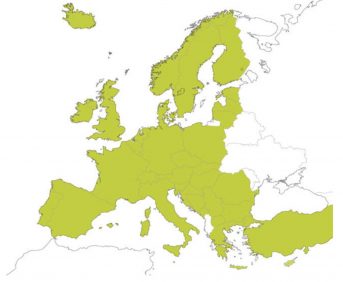
The network has expanded to include participants from 6 different countries who meet online 3-4 times a year. The topics discussed are the status of implementation and projects in the participating organisations, experiences and challenges, requirements from regulatory agencies and news from publications, congresses and webinars. The value gained for the individual members is the knowledge sharing and peer support among colleagues in an activity that is still very new and lacks specific regulations and guidelines.
What next?
The future goal is to expand our collaboration into scientific research by identifying relevant topics where our combined strengths can provide important new knowledge and insights for the entire European hospital pharmacy sector and, especially for future patients.
IMPLEMENTATION OF GRAVIMETRIC AND VOLUMETRIC CONTROL AFTER THE PREPARATION OF PAEDIATRIC PARENTERAL NUTRITION
European Statement
Production and Compounding
Author(s)
Esperanza Nieto Mártil
Alicia Abril Cabero
José Antonio Hernández Ramos
Isabel García López
Belén Riva de la Hoz
Esther Algarra Sánchez
Luis Fernández Romero
Marta Echávarri de Miguel
Beatriz Leal Pino
Alejandra Merino Pardo
Maite Pozas del Río
Why was it done?
Paediatric PN requires highly precise and methodical preparation due to its narrow safety margins. For this population very small volumes are handled, thus small deviations in added volumes might have a substantial impact, including clinically significant consequences.
Although gravimetric and volumetric control has shown to provide a rapid and cost-saving tool to detect discrepancies, there are no specific publications evaluating its optimality in the context of paediatric PN. Therefore, its assessment in a paediatric setting is essential to ensure the quality of the compounding process.
What was done?
To analyse the results of gravimetric and volumetric control applied to parenteral nutrition (PN) preparations compounded by the Pharmacy Department in a Paediatric Hospital over a two-month period.
How was it done?
A prospective interventional study was conducted including all PN preparations compounded between June and July 2025 in a tertiary paediatric hospital. To perform gravimetric control, actual weight of each PN and deviation from theoretical weight were measured. For volumetric control, prescribed volumes of each component were compared with the actual volumes added by compounders to verify concordance between both records. Additionally, the following variables were collected for every preparation: responsible compounder and the need for re-compounding. Erroneous preparations were defined as exceeding an acceptance limit of ±5% for gravimetric control or proven discrepancies for volumetric control.
What has been achieved?
A total of 135 PN preparations were compounded during the study period. Six preparations (4.44%) produced by three different compounders were classified as erroneous. Of these, five (3.70%) were associated to gravimetric control and one (0.74%) to volumetric control. All the preparations failing gravimetric control were re-compounded and their deviation range was 5.32% to 18.2%, with a median of 6.95%. The remaining erroneous preparation was found to lack 10 mL of a 10% amino acid solution; re-compounding was not required since it was considered clinically irrelevant.
What next?
The incorporation of gravimetric and volumetric control into routine practice would gather strength as an essential safety measure in the preparation of paediatric PN due to its feasibility and utility, especially for gravimetry. Future lines of research should focus on continuous monitoring of outcomes, including comparisons with other hospitals.
FIVE YEARS OF A BIG CONTRIBUTION FOR THE SMALLEST AMONG US – THE IMPLEMENTATION OF AN INTRAVENOUS-SERVICE ON NEONATAL INTENSIVE CARE UNITS BY THE HOSPITAL PHARMACY
European Statement
Production and Compounding
Author(s)
Boglárka Lengyel
Nadine Haubenwalllner
Ingrid Sattlecker
Why was it done?
The global shortage of nursing staff increases the risk for medication errors due to higher workload and stress. The intravenous (I.V.)-service, launched in March 2020, alleviates nurses’ workload and minimizes application errors by standardizing concentrations and providing pharmaceutical training. Producing all infusions with producing pumps in the hospital pharmacy’s clean rooms improves microbiological quality and dosing accuracy. Standardized concentrations with defined stability and proper documentation practices ensure consistent quality.
What was done?
We implemented the production of patient-specific I.V.-infusions and total parenteral nutrition (TPN) for neonatal intensive care units (NICU) to meet the specialized needs of neonates and enhance individualized care. Additionally, pharmacy staff assembles patient infusion sets daily, focusing on Y-Site compatibility and catheter types tailored to each patient.
How was it done?
After discussing demand with physicians and nurses, data on NICU medications and dosages were systematically collected. Standard infusion concentrations were harmonized, considering fluid intake and physical-chemical stability. Protocols for automated compounding of continuous infusions and TPN were established, alongside standard operating procedures for additional volumetric preparation. I.V. compatibility of the drugs was researched, and compatibility tables were created.
What has been achieved?
The project successfully implemented individualized compounding of infusions and TPN with established standards in the hospital pharmacy’s clean rooms. Complete traceability and continuous monitoring during production ensure high product quality. The initiative enhanced interprofessional collaboration, strengthening confidence among physicians, nurses, and pharmacists and significantly reduced nurses’ workload for preparing medications, TPN, and assembling patient sets. The service currently supports five wards, producing an average of 98 infusions and TPN daily. The assembly of patient sets is provided for 44 care beds across NICU and Intermediate Care (IMC) wards, averaging 25 sets daily.
What next?
The service aims to maximize automated production by implementing new compounding pump plans, increasing output to supply more wards. Plans also include expanding the service to the Pediatric Intensive Care Unit (PICU), where both intermittent infusions and patient set assembly will be offered in addition to the existing continuous infusion supply.
ASSESSMENT OF THE APPLICABILITY OF 3D-PRINTED MEDICINES IN A PAEDIATRIC WARD
European Statement
Clinical Pharmacy Services
Author(s)
M.S. Nielsen, The Pharmacy of the capital region of Denmark, Clinical Pharmacy Rigshospitalet, Copenhagen, Denmark
S.L. Otnes; The Pharmacy of the capital region of Denmark, Clinical Pharmacy Rigshospitalet, Copenhagen, Denmark
M.H. Clemmensen, The Pharmacy of the capital region of Denmark, Clinical Pharmacy Rigshospitalet, Copenhagen, Denmark
L.R. Duckert, The Pharmacy of the capital region of Denmark, non-sterile production, Herlev, Denmark
T. Schnor, The Pharmacy of the capital region of Denmark, production, Herlev, Denmark
Why was it done?
Paediatric medicine has limited availability of on-label, age-appropriate formulations. Drug-related challenges encompass variability in dosing, use of tube administration, and the necessity for child-friendly approaches, including formulation issues as well as taste and acceptability of medications.
What was done?
A clinical assessment of the applicability of 3D-printed medicines from a paediatric perspective, with the limitations of the chosen technique.
The aim of this project was to identify specific areas where 3D-printed medicines provide viable solutions to the complexities surrounding paediatric drug-related challenges.
How was it done?
To minimize the need for individual medicine manipulation, we identified key challenges by reviewing the manufacturer’s API list and comparing it with nationally available compounded products. This analysis offered historical insight on the shortcomings of commercial products in addressing patient needs. Additionally, consultations were held with nurses and doctors in selected paediatric wards for further input.
What has been achieved?
Three key areas were identified where 3D-printed medicines could benefit paediatric wards:
Dosage: 3D-printed medicines enable patient-specific doses or customizable low doses, assisting dose tapering and minimizing dosing errors. However, for APIs with a wide therapeutic index, the dose should be aligned with commercially available products. Patients or APIs that frequently require dose adjustments are better suited to a mixture formulation.
Logistics: Individual packaging and room temperature storage offer advantages for travel and storage compared to liquid mixtures, which often require cold storage and are produced in larger, less flexible containers. Additionally, existing options like mixtures increases the risk of losing the entire dose supply at once.
Patient related inappropriate drug form: The 3D-printed tablets can be chewed or partially dissolved, facilitating administration for patients with swallowing difficulties. Additionally, it allows for customizable flavors, offering more flexibility than commercial products.
However, the technique does not yet address the need for medication administration via tubes, as it requires heating of the tablets, which can be hazardous when handled by untrained parents. Highlighting that 3D-printing should complement, rather than replace, existing options.
What next?
A prioritized and condensed list of APIs will be conducted based on the identified key areas and assessed by pharmacists, doctors, and nurses.
Appropriate wards will be selected for the pilot implementation of 3D-printed medicines.
COST SAVINGS ASSOCIATED WITH EMICIZUMAB REPACKAGING IN PEDIATRIC PATIENTS WITH HEMOPHILIA A
European Statement
Production and Compounding
Author(s)
Saldaña Soria Raquel, Florit Sánchez María, Yunquera Romero Lucía, Fernández Martín Jesús, Gallego Fernández Carmen, Tortajada Goitia Begoña
Why was it done?
The aim of this protocol is to evaluate and quantify the cost saving of the optimisation of the use of emicizumab vials through repackaging into syringe under aseptic conditions.
What was done?
Emicizumab is indicated for routine prophylaxis of bleeding episodes in patients with hemophilia A. This drug has a significant economic impact, so it has been decided to initiate a protocol for the use of emicizumab in which it has been established to group patients and dispense pre-filled syringes of repackaged emicizumab for each patient, dividing the vials according to the patient’s dose in the syringes as a savings strategy.
How was it done?
Two male patients, aged 4 and 5 years, with hemophilia A, have been treated with emicizumab in our hospital from February 2022 to September 2024. A protocol was implemented consisting of dispensing repackaged pre-filled syringes of emicizumab (expiry date 7 days according to the Good Practice Guide for the preparation of medicines) to each patient, grouping the patients receiving treatment with emicizumab on the same day for dispensing and dividing the vial into syringes to adjust it to the recommended dose according to the Technical Data Sheet in a laminar flow cabinet.
What has been achieved?
This treatment would have cost 337.125,95€ from February 2022 to September 2024. However, since patients (grouped on the same day of the week) were dispensed repackaged emicizumab pre-filled syringes and emicizumab repackaging was performed under aseptic conditions, the total cost has been 168.562,98€. Therefore the cost savings would be 168.562,98€ (63.211,12 €/year).
In conclusion, this new way of working can allow us to save 63.211,12€ (43 vials of 30 mg) every year. For this reason, the repackaging could represent a significant economic saving in patients with hemophilia A, while contributing to maintaining the sustainability of the national health system.
What next?
We hope to include all patients from our hospital in the emicizumab optimization protocol to continue contributing to the sustainability of the national health system.
Romiplostim preparation and distribution in ready to administer weekly syringes to patients
European Statement
Production and Compounding
Author(s)
BELEN SANCHEZ PASCUAL, IRENE SALVADOR LLANA, ANA MARIA MARTIN DE ROSALES CABRERA, MONTSERRAT PEREZ ENCINAS
Why was it done?
Romiplostim should be administered once weekly as a subcutaneous injection. The initial dose is 1µg/kg. According to platelet response (PR) the dose should be increased until the patient achieves platelet count over 50,000 platelets/µL(maximum dose=10µg/kg). In order to maintain durable PR, weekly doses of romiplostim are prescribed and adjusted every 4-6weeks. Although patients could be trained for the injection preparation, many had reported difficulties to understand instructions and calculations of concentrations/volume. Romiplostim vials have a significant overdose to ensure the extraction of the declared amount. The actual content of the 250µg vial was found to be 360 µg (110µg excess). The 500µg vial contents 600µg. In addition, patients should discard the unused part. The aim is to centralise the preparation/distribution of individualised weekly doses of romiplostim for each patient in RtA syringes that allows them to receive the correct dose and to maximise the use of vials.
What was done?
We develop a procedure for the preparation and distribution of individualised weekly doses of romiplostim prepared in the sterile preparation area in prefilled syringes Ready to Administer (RtA) by the patient.
How was it done?
The Pharmacy service (PS) prepares the individualised doses in syringes RtA in a laminar-flow cabinet. The waste of the vial is kept to be reused.
The main obstacle is the increase in the volume of daily preparations in the PS due to dose individualisation. This obstacle is overcome with fluid communication with the Haematology service that reports prescriptions with a duration of up to 21 days (if the patient´s control is adequate).
What has been achieved?
From the past 3 years (2019-2021), we prepared individualised syringes for 36 patients. The centralised preparation reduces unused romiplostin waste allowing a cost saving of near 50% of drug spending. Specifically, in this 3-year period, €385,759.00 were saved.
What next?
Preparation of RtA syringes of romiplostim under sterile conditions in a laminar-flow cabinet helps patient’s auto-administration (since is an easier dispositive) and allows for greater use and significant economic savings. It is a process that can be easily extrapolated to any PS. Next step would be to carry out stability studies in order to be able to work further in advance and allow to space out hospital visits of well-controlled patients.
25% sodium thiosulphate in the topical treatment of calciphylaxis
European Statement
Production and Compounding
Author(s)
VIRGINIA PUEBLA GARCIA, MARIA MOLINERO MUÑOZ, ANA ANDREA GARCIA SACRISTAN, JAVIER CORAZON VILLANUEVA, LIDIA YBAÑEZ GARCIA, NATALIA SANCHEZ-OCAÑA MARTIN, PALOMA PASTOR VARA, MARIA FERNANDEZ-VAZQUEZ CRESPO, JOSE MANUEL MARTINEZ SESMERO
Why was it done?
Calciphylaxis is a vascular disorder characterised by the accumulation of calcium in the small blood vessels of the skin and adipose tissue. There is an imbalance in calcium metabolism which causes calcium to be deposited in the arterioles favouring thrombosis in the residual lumen of these vessels. It presents with severe painful skin lesions which progress to ulcers. It mostly affects patients on renal replacement therapy.
What was done?
To describe the making process of a 25% sodium thiosulphate ointment (ST25%) requested by the Nephrology Department as an off-label use for the topical treatment of calciphylaxis in a patient who was unable to use intravenous sodium thiosulphate (ST) due to haemodynamic instability.
How was it done?
We initially performed an online literature search of databases related to raw materials and excipients, experience of use with formulas prepared by other hospitals as well as articles related to calciphylaxis.
For the production and quality control, the Standard Operating Procedure (SOP) for ointments described in the National Formulary was followed. To establish the risk level of the preparation and the expiry date, a risk matrix was used according to the Guide to Good Pharmacy Preparation Practice (GBPP).
What has been achieved?
It was decided to make a ST25% ointment. Composition for 100 g: ST 25 g (active ingredient), glycerine 10 g (humectant, cosolvent), pure lanolin 32.5 g and white filmy petrolatum 32.5 g (vehicles).
Production: the ST crystals were pulverised in a mortar. Glycerine was gradually added on top of the ST until a uniform whitish paste free of crystals was formed. At the same time, lanolin and filmy petrolatum was mixed in the final container with the help of an emulsifier. Finally, the paste formed with ST and glycerine was added to the lanolin-Vaseline mixture and stirred in the emulsifier until a homogeneous ointment was obtained.
A yellowish ointment with a homogeneous appearance, oily texture and no crystals was obtained.
Expiry date: 30 days after opening. Low-risk preparation.
What next?
Calciphylaxis could be treated after intolerance to intravenous sodium thiosulphate by developing an ointment. The pharmacist through magistral formulation can provide pharmaceutical alternatives in situations where the use of commercially available medicines is not possible.
Initiative to introduce database of compounded pharmacy preparations at the University Hospital Centre Zagreb
European Statement
Production and Compounding
Author(s)
Mateja Ljubičić, Mirela Sadiković Tvorić, Mirela Ganza, Mirna Alebić
Why was it done?
Minimising quality and safety differences between commercially available medicines and compounded pharmacy preparations depends on the pharmacists’ professional education and skills. The purpose of this initiative is to specify the most common pharmacists’ adjustments of the commercially available medicines and to determine the level of quality assurance and safety measures which should be applied to the hospital pharmacy throughout planning the procurement of installations and equipment.
What was done?
Our existing computer system does not have the ability to provide information on the compounded pharmacy preparations made in the hospital pharmacy from raw material or commercially available medicines. We have introduced a database for keeping up-to-date records of pharmacy preparations compounded by pharmacists for special needs of paediatric population in the University Hospital Centre Zagreb in a period of 6 months.
How was it done?
The following information on pharmacy preparations were added to the new database: dosage form, dosage strength, shelf life and serial number of the commercial drug or raw material that was used; patient data: name and hospital department unit; and identification of the pharmacist. Data was structured as presented in Table 1. and Table 2.
Pharmacists’ adjustments Total Number
dosage strength Oral divided powders (DPs) 628
dosage form Extemporaneous oral liquids 473
In total 1101
Preparations with HD Aseptic processing Containment Complexity of process
0.05% Cyclosporine eye drops + + 2
1% 5-FU eye drops + + 2
1% Voriconazole ear drops – + 1
Vemurafenib DPs – + 1
Imatinib DPs – + 1
Capecitabine DPs – + 1
Hydroxycarbamide oral suspension – + 1
Tretinoin oral solution – + 1
What has been achieved?
Keeping up-to-date records improved the traceability inpatient care and reduced the incidence of adverse events. Specific requirements for procurement of equipment for aseptic processing and containment of Hazardous Drug (HD) were successfully recognised.
What next?
Harmonisation of standards of pharmacy preparations throughout the country could be enabled by creating a national portfolio of preparations from all hospital pharmacies. This initiative of creating an overview of the pharmacy preparation practice should be considered in other hospitals to guide the pharmacy departments in the developing quality assurance programme.
DEVELOPMENT OF A PROTOCOL TO STANDARDISE CELL-BASED MEDICINAL PRODUCTS HANDLING IN AN ONCO-HAEMATOLOGY CLINICAL TRIALS UNIT
European Statement
Patient Safety and Quality Assurance
Author(s)
JOSE MANUEL DEL RIO GUTIERREZ, EUGENIA SERRAMONTMANY MORANTE, SARA GIMENEZ GINER, PILAR ROVIRA TORRES, PATRICIA GARCIA ORTEGA, CARLOTA VARON GALCERA, ISABEL CIDONCHA MUÑOZ, MARIA QUERALT GORGAS TORNER
Why was it done?
One of the most important challenges we currently face is the increase of clinical trials (CTs) including CBMPs. These drugs require special storage, preparation, delivery and administration; so developing standard operating procedures (SOPs) and ensuring proper coordination between all professionals involved, including pharmacists, is essential.
What was done?
Management of cell-based medicinal products (CBMPs) was protocolised in an onco-haematology clinical trials unit.
How was it done?
Pharmacists, doctors and nurses participate in a multidisciplinary team to standardise CBMPs handling. The following protocol was agreed:
1.The entire multidisciplinary team is notified when a CBMP prescription is planned to ensure proper coordination.
2.The CBMP is manufactured by the CT sponsor. Then, it is transferred to the blood bank for cryopreservation. CBMPs usually require a temperature between -80ºC and -200ºC and expire in some weeks.
3.Before CBMP administration, patients undergo lymphodepletion. The lymphodepletion regimen is performed according to the CT protocol or arranged between medical and pharmacy teams. Chemotherapy, serum therapy and antiemetic regimen are discussed and specified.
4.Once the treatment is prescribed, it is verified by a pharmacist who ensures its suitability.
5.On the infusion day, the blood bank delivers the CBMP. Then, a pharmacist checks if it arrives in proper condition and it is defrosted. The pharmacy department reconditions the CBMP in another infusion bag or syringe if required. This is the most critical point because CBMP expires after some minutes of defrosting, requiring extensive coordination.
6.CBMP is administered according to the CT protocol.
What has been achieved?
72 patients were recruited in 15 CT. 8 of them use as CBMP Chimeric Antigen Receptor T-Cells (CAR-T-CELLS), 4 Specific Peptide-Enhanced Affinity Receptor T-Cells (SPEAR-T-CELLS), 2 Tumour-Infiltrating Lymphocytes (TILs) and one cytokine-stimulated Natural-Killer-Cells (CS-NK-CELLS). Seven assays are intended for haematological neoplasms and eight for solid malignant neoplasms. One assay requires CBMP syringe reconditioning in the pharmacy department.
The described process optimises CBMPs handling, avoids delays in administration and reduces the risk of misuse.
What next?
CBMPs represent a novel therapy, and pharmacists have an essential role in developing new procedures to incorporate them into clinical practice. This protocol may be helpful for other centres to implement guidelines to work with CBMPs.
Added value of centralised compounding of vaccines against SARS-CoV-2 in Hospital Pharmaceutical Services – a quantitative analysis
European Statement
Production and Compounding
Author(s)
Rui Relvas, Rui Pedro Marques, Ana Castro, Sérgio Nobre, João Paulo Lopes da Cruz
Why was it done?
Medicines compounding by the HPS-staff is a primordial activity, and its centralisation allows several benefits in levels such as patient safety, quality, efficiency, and pharmacoeconomics. Despite this recognised importance, it is not always possible to quantify its added value. The fact that vaccines against SARS-CoV-2 are supplied in multi-dose vials and the need to prepare and assure enough doses to vaccinate a broad population presented itself as an excellent opportunity to analyse such indicators.
What was done?
A quantitative analysis of the importance and added value of centralised preparation and compounding of vaccines against SARS-CoV-2 at the Hospital Pharmaceutical Services’ (HPS) Compounding Unit from a Central Hospital in Portugal.
How was it done?
Between 27th December 2020 and 2nd August 2021, 13.030 doses were prepared (96.9% Pfizer/BioNTech; 3.1% AstraZeneca). At the first 3 vaccination sessions, multi-dose vials were diluted at the HPS, and each syringe measured by the nursing-staff previously to the administration.
After these initial sessions, each dose started to be individualised by the HPS-staff on pre-filled, ready-to-use syringes. Each vaccine dose was individualised on a horizontal laminar flow cabinet according to a previously approved operational procedure.
Reception, preparation, and dispensation records were retrospectively analysed. Key performance indicators were quantified.
What has been achieved?
During the first 3 sessions of vaccination, when nursing-staff measured each vaccine volume, a total of 1640 doses were administered. However, it would be possible to measure a total of 1932 doses (84,9%). The daily maximum of people vaccinated was 770.
In the following sessions was possible to prepare 11.390 doses, with a theoretical maximum of 10.892 (104,6%) and a daily maximum of 1.113.
This yield, over 100%, allowed an excess of 498 doses, which translated into the vaccination of 249 extra individuals fully vaccinated with the 2 doses. Factors like needle and syringe selection and preparation beyond an aseptic and validated environment contributed for the yield increase.
What next?
Series-production of compounded medicines in a sterile, validated, and controlled environment allows important benefits and this analysis shows the potentiation of every key performance indicator considered. These data should be considered for the future planning of population-wide activities involving the massive preparation of sterile medicines.